

If you have ever read a facility management contract or spoken with an FM provider, you have probably seen a long list of services: electrical and HVAC operation, housekeeping, security, pest control, landscaping, waste management, and more. For many business owners and facility managers, it is not obvious how these services fit together, or how to structure them into a contract that works.
Understanding the types of facility management services is not just academic. It directly affects how you scope contracts, allocate budgets, set service level agreements, and evaluate vendor performance.
In this article, we explain the two main groups of facility management services, give detailed examples of each, highlight the key differences, and show how they work together in a well-managed facility.
Facility management services cover everything required to keep a building safe, functional, comfortable, and compliant. In practice they fall into two broad groups: engineering services, which operate and maintain the building's physical systems, and support services, which look after the people and environment inside the building.
Some organisations buy these separately from different vendors. Others bring them together under integrated facility management (IFM), where a single partner is accountable for the whole facility.
Operation and maintenance (O&M), keep the building's technical systems running safely and reliably. These services are tied to the building's infrastructure, and without them the facility cannot function.
They are shaped by statutory requirements, building codes, and safety regulations. They require trained technical personnel, such as electricians, plumbers, HVAC technicians, and fire safety engineers, along with specialised tools and spare parts.
Examples of O&M Services:
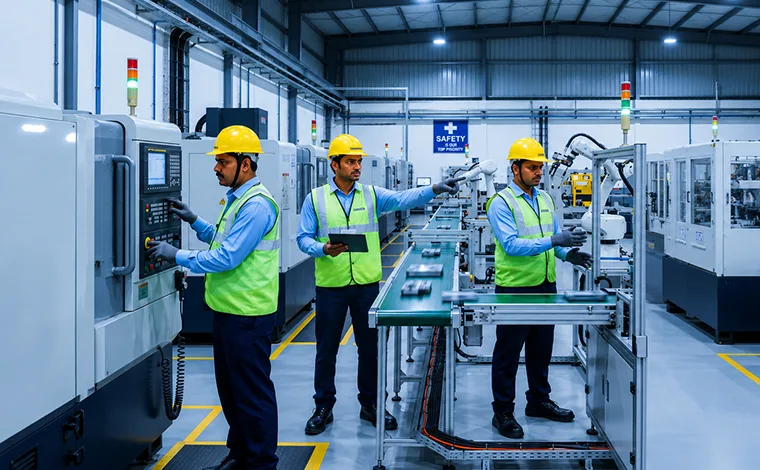
Electrical system operation and maintenance
HVAC (heating, ventilation, air conditioning) operation and servicing
Plumbing and drainage systems upkeep
Fire detection, alarm, and suppression system inspections and upkeep
Lift and escalator maintenance
Generator and DG set operation and servicing
Building Management System (BMS) operation and monitoring
Civil and structural maintenance
Water treatment and STP/ETP plant operations
Energy management and metering
Support services focus on creating a clean, safe, comfortable, and productive environment for the people who use the facility. While not always legally mandated (with some exceptions like waste management and fire safety), they directly shape employee satisfaction, visitor experience, and overall workplace quality.
These services are people-intensive. They rely on well-trained staff following standardised procedures and are often judged on visible, day-to-day quality.
Examples of Support Services:
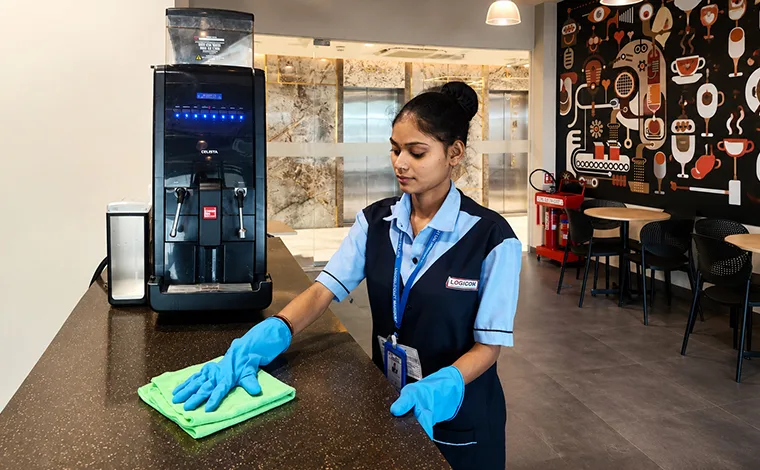
Housekeeping and janitorial cleaning
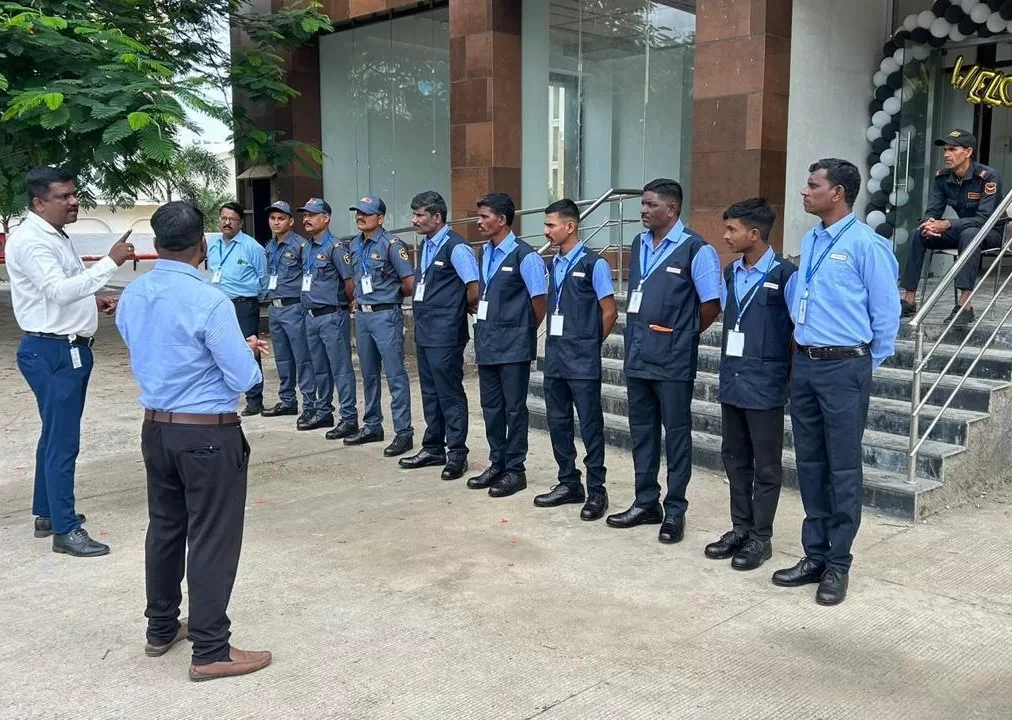
Security guard deployment and access control
Landscaping, gardening, and grounds maintenance
Pest control and fumigation
Waste segregation, collection, and disposal
Reception and front desk management
Cafeteria and pantry operations
Mail room and courier handling
Parking management
Event and conference room setup
Helpdesk and occupant support
O&M services focus on the technical infrastructure that keeps a facility operational. These services involve building systems such as electrical equipment, HVAC, plumbing, fire safety systems, generators, and other critical infrastructure. They are usually handled by skilled technicians and engineers and are measured through factors such as equipment uptime, response times, and compliance.
Support services, on the other hand, focus on the people and environment within the facility. These include housekeeping, security, landscaping, waste management, reception, and other occupant-focused services. Their performance is typically measured through service quality, cleanliness standards, staffing levels, and occupant satisfaction.
The main difference is that O&M services directly support the safety and functionality of the building, while support services help maintain a clean, secure, comfortable, and productive environment for the people using it.
Both are equally important. A facility may have well-maintained technical systems, but poor housekeeping and security can negatively affect the workplace experience. Similarly, a clean and well-managed environment cannot compensate for poorly maintained HVAC, electrical, or fire safety systems.
A common mistake organisations make is treating O&M and support services as competing priorities. In reality, they are interdependent.
A facility with excellent engineering standards but poor housekeeping may achieve technical reliability while failing to provide a decent work environment. Conversely, a spotlessly clean office with neglected HVAC systems will have uncomfortable temperatures and poor air quality, and no amount of cleaning compensates for that.
The relationship between the two is symbiotic:
Preventive maintenance — keeps equipment running, which means fewer disruptions for housekeeping and security routines
Clean environments — reduce dust and contamination that accelerate equipment wear
Security and access control — protect expensive technical infrastructure
Waste management — supports environmental compliance tied to building operations
The most effective facility management operations treat both groups as parts of one integrated system, not as separate departments or budgets.
1. Integrated Vendor or Single FM Partner
The cleanest approach is to bring engineering, O&M services and support services under a single facility management partner. This eliminates coordination gaps, provides unified reporting, and creates single-point accountability.
2. Clear SLAs for Each Service Group
Engineering and O&M SLAs should focus on response times, uptime percentages, and compliance rates. Support service SLAs should measure cleanliness audit scores, staffing levels, and occupant satisfaction.
3. Cross-Functional Communication
Ensure the technical team and the housekeeping and security teams share schedules. If there is a planned power shutdown for generator maintenance, the housekeeping team should know, and vice versa.
4. Technology-Enabled Tracking
Use a CAFM (Computer-Aided Facility Management) system or a centralised work order platform to track every service request, completion, and escalation in one dashboard.
5. Regular Audits and Reviews
Conduct monthly audits covering all services. A facility walkthrough that only checks cleaning standards but ignores fire extinguisher expiry dates is incomplete, and vice versa.
Logicon Facility Management provides operation and maintenance services alongside housekeeping, security, landscaping, and other support services under one integrated delivery model. From HVAC and electrical operation and maintenance to daily housekeeping and security deployment, every service is managed through standardised SOPs, trained manpower, and regular performance audits.
With regional offices across Pune, Mumbai, Delhi NCR, Bengaluru, and Ahmedabad, Logicon ensures consistent service quality at every location, whether you operate a single office or a multi-site portfolio.
Need a facility management partner that covers every service your facility needs? Talk to Logicon